Home / Discover Sri Lanka
Why visit Sri Lanka
A travel guide to Sri Lanka
Eight UNESCO World Heritage Sites, twenty-six national parks, two monsoons and 1,340 km of coast, in a country you can cross in a day.
The short version
Why Sri Lanka rewards a short trip more than most countries
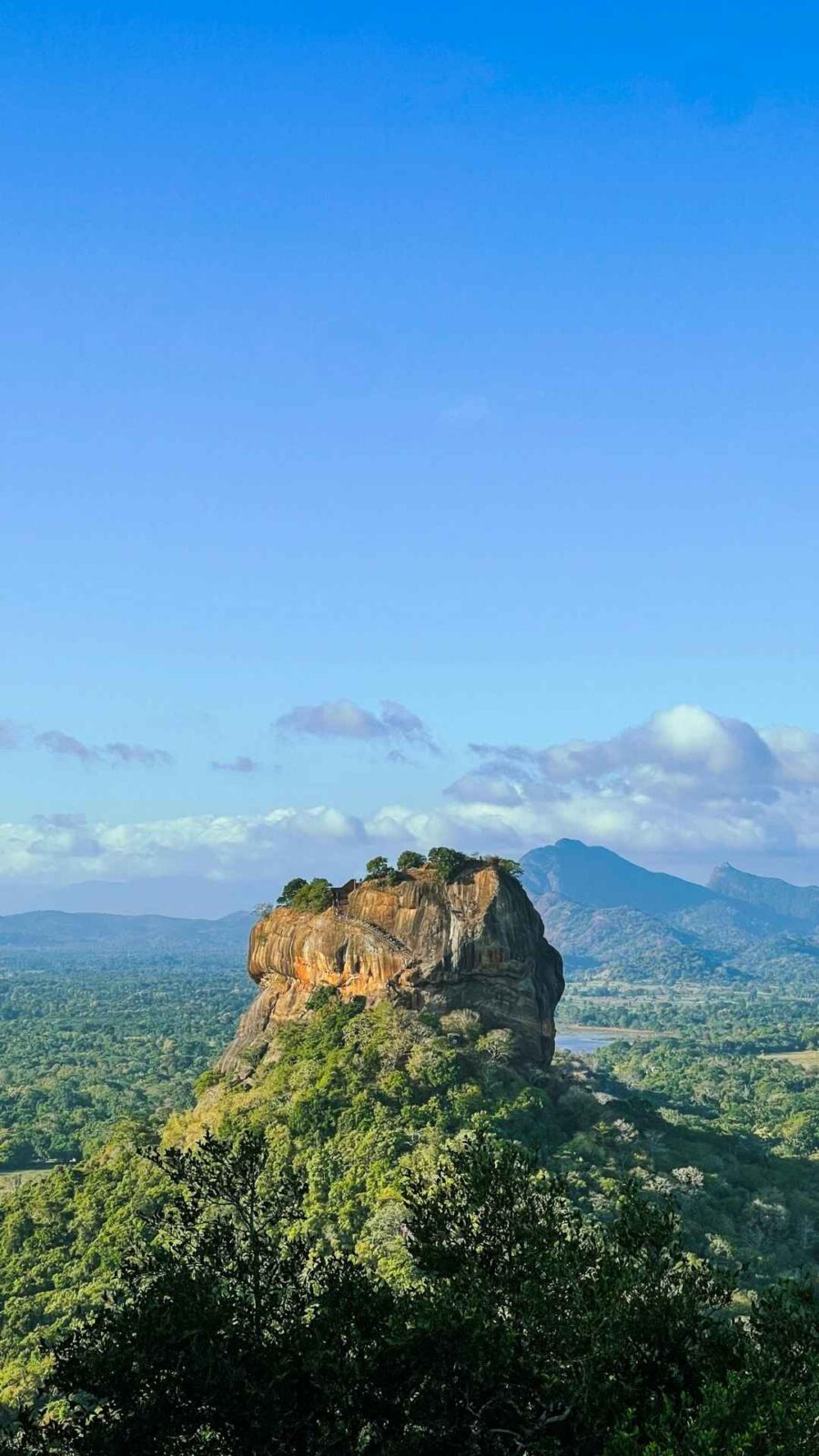
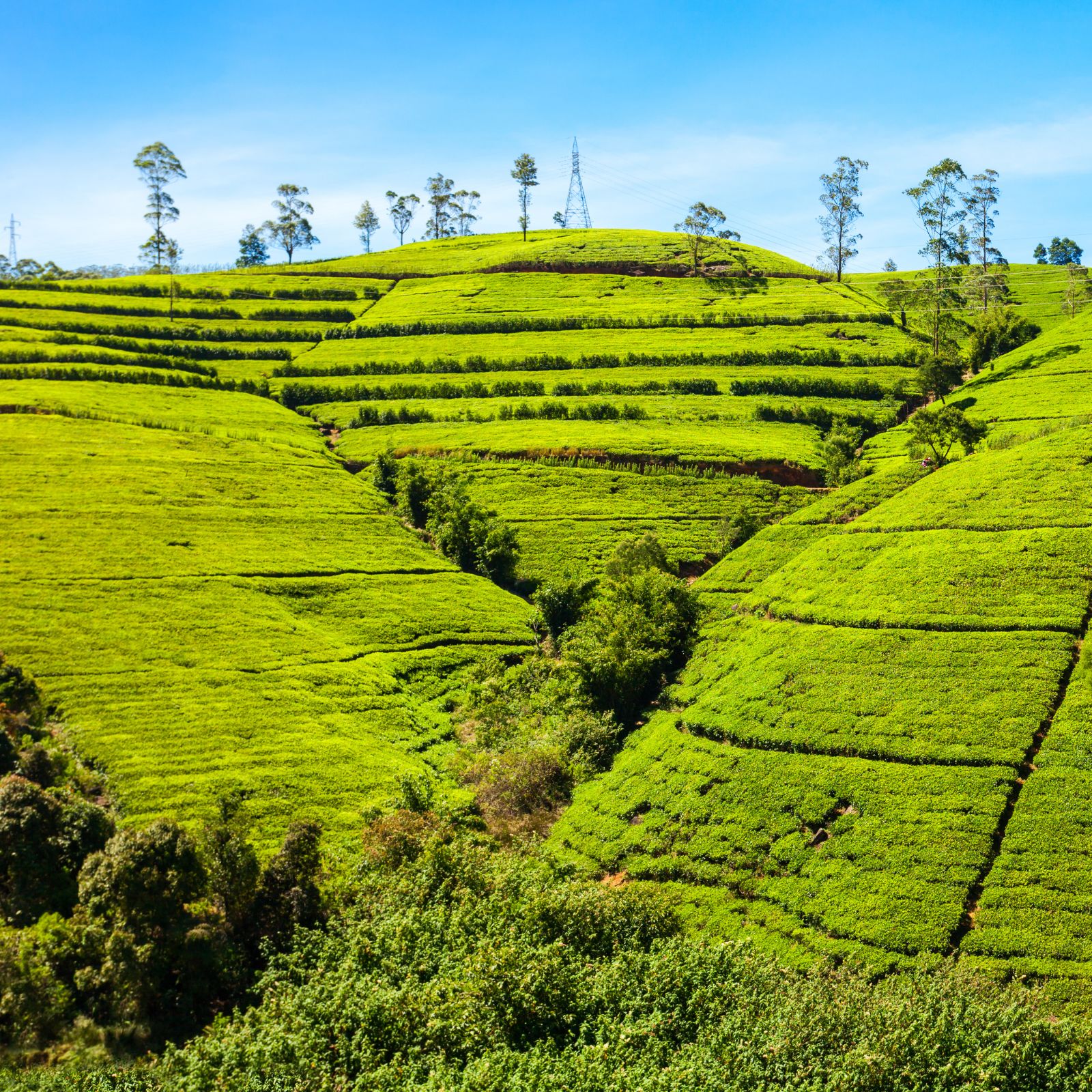
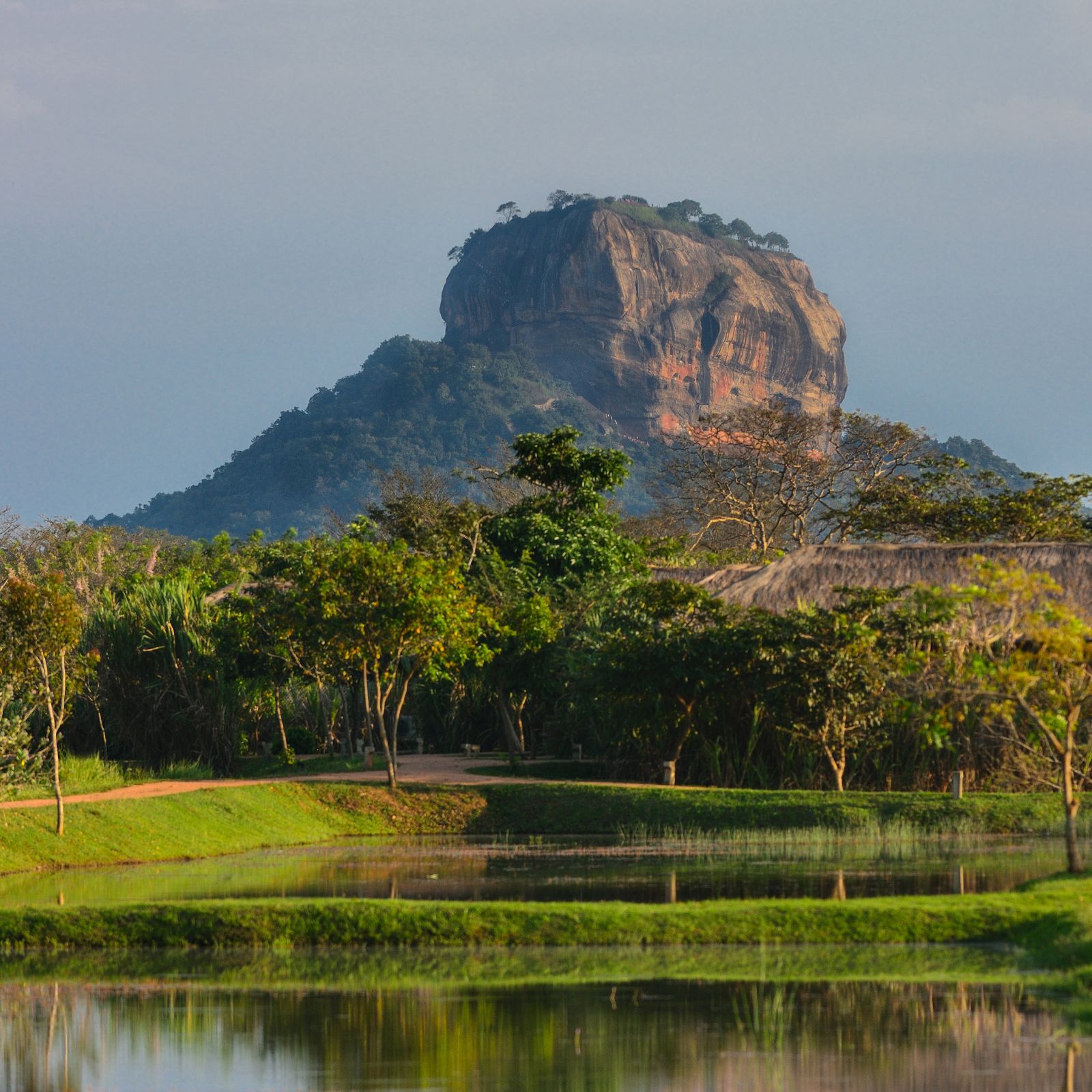
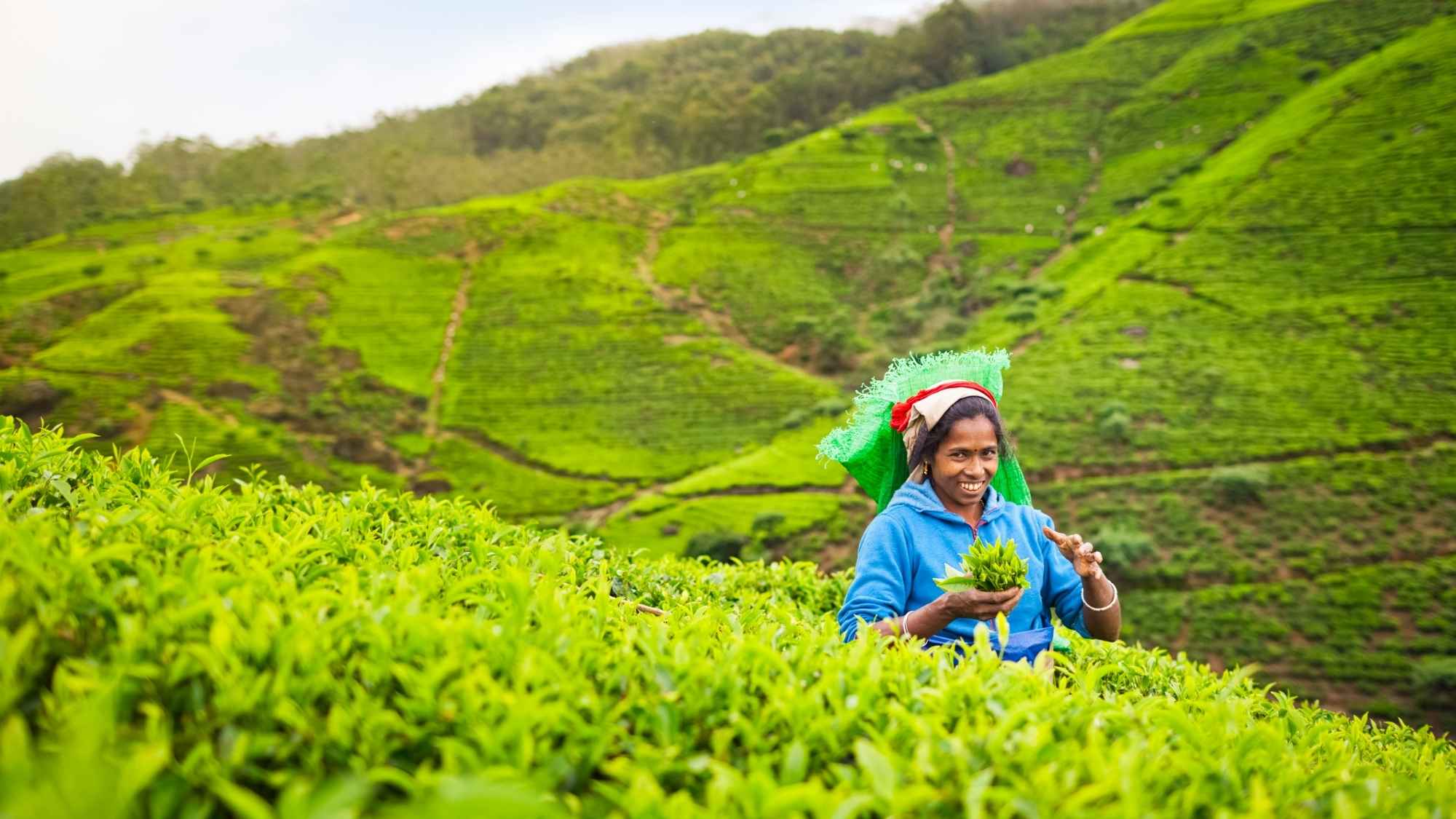
Sri Lanka is 65,610 square kilometres — about the size of Ireland, or West Virginia. Inside that you have rainforest, cloud forest, dry-zone scrub, 1,340 kilometres of coastline, tea estates at 2,000 metres and eight UNESCO World Heritage Sites. You can climb a fifth-century rock fortress before breakfast and swim in the Indian Ocean the same afternoon.
It is also unusually easy. English is widely spoken, the ETA visa takes ten minutes, food is superb and cheap, and a private car with a driver-guide costs less per day than a hire car in Europe.
Best places to visit
Where to go
Distances are short; drive times are not — allow three hours for 120 km.
6.8667 N, 81.0466 E
6.0535 N, 80.2210 E
7.2906 N, 80.6337 E
5.9483 N, 80.4589 E
6.9497 N, 80.7891 E
7.9570 N, 80.7603 E
8.5874 N, 81.2152 E
6.3735 N, 81.5089 E
Things to do
Ten experiences that define the island
June to October for the Gathering
South Nov to Apr, east May to Sep
Year round, clearest Jan to Mar
Year round
Year round
Travel tips
Practical things worth knowing
The answers we give most often, gathered in one place.
Best time to visit
Two monsoons on opposite schedules mean there is always a dry coast. December to April suits the south and west; May to September suits the east and north.
Weather guide
Coastal temperatures sit at 27-31C year round. The hill country runs 14-22C and drops to 8C at night in Nuwara Eliya. Humidity is high everywhere below 500 metres.
Visa information
Most nationalities, including the UK, USA, EU, Canada and Australia, apply online for a 30-day ETA before travel. Approval usually arrives within 48 hours.
Currency and money
The Sri Lankan rupee. ATMs are everywhere in towns and rare in villages. Cards work in hotels and city restaurants; carry cash for tuk-tuks, temples and roadside food.
Food
Rice and curry as a spread of eight dishes, hoppers for breakfast, kottu after dark. Vegetarian and vegan eating is easy — much of the everyday cuisine already is.
Health and safety
No mandatory vaccinations. Dengue is present, so use repellent at dusk. Tap water is not drinkable; bottled water is provided daily on all our tours.
Getting around
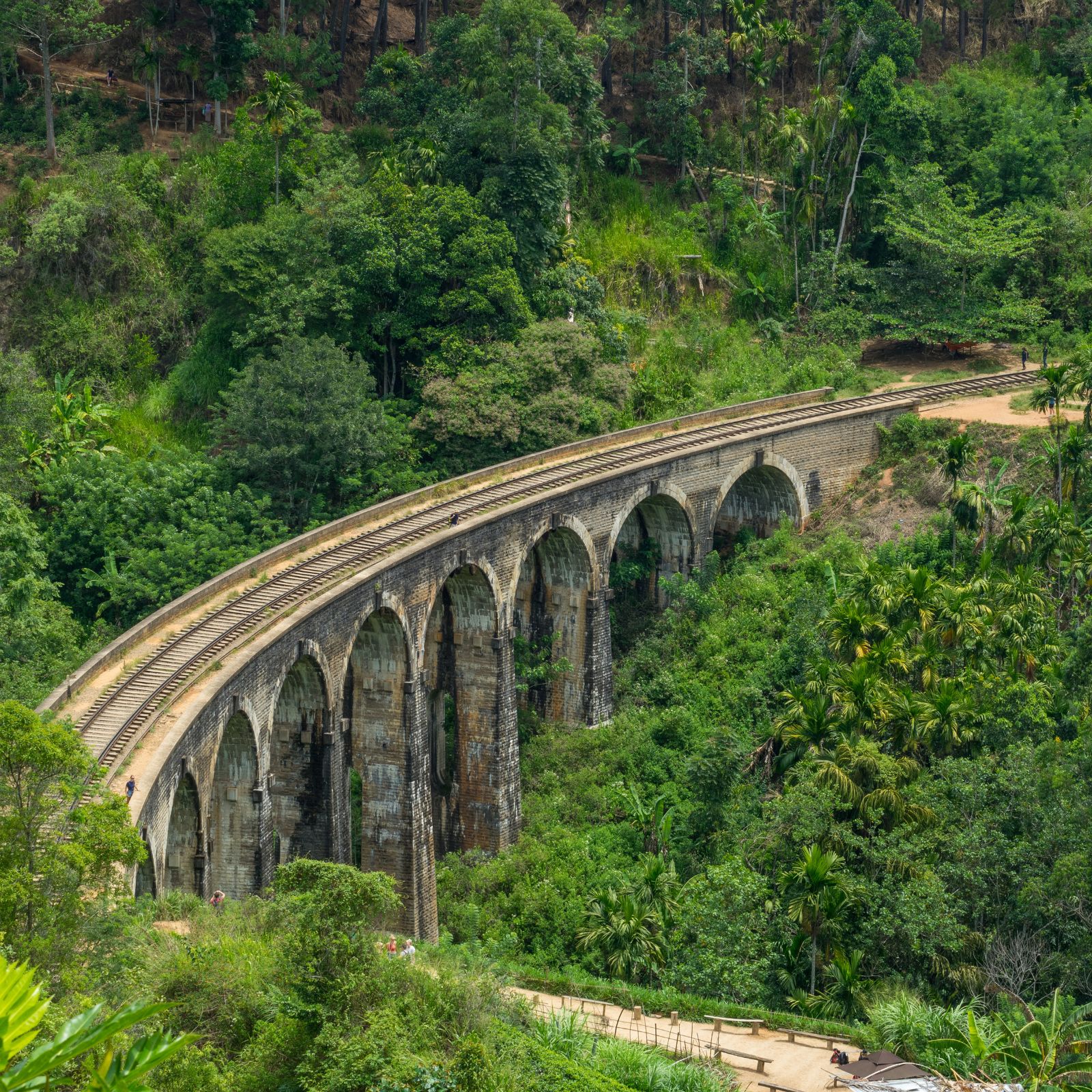
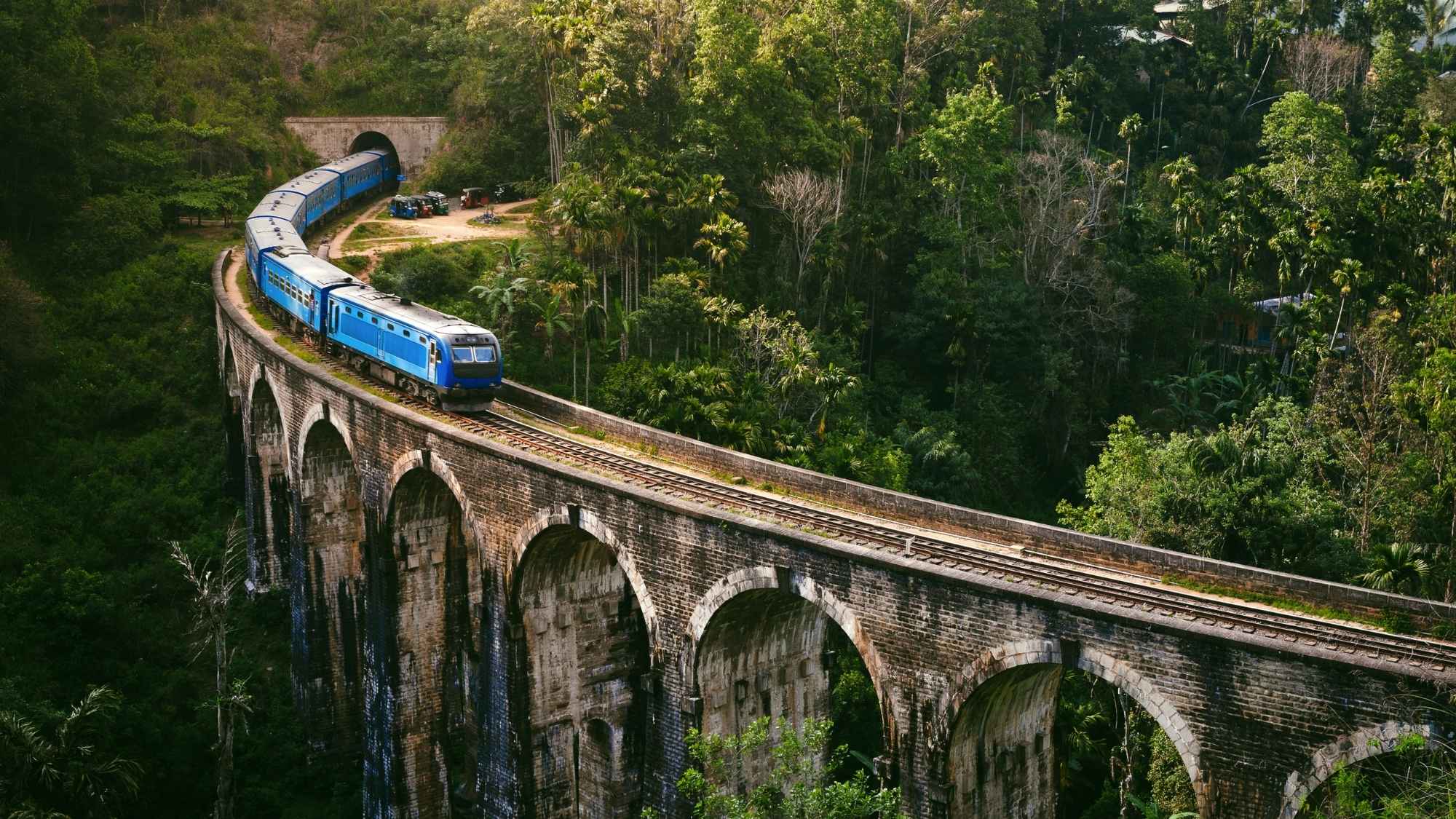
430 km end to end but average road speeds of 35-40 km/h. Trains are scenic and slow. Domestic flights and seaplanes save half-days on longer routes.
Etiquette
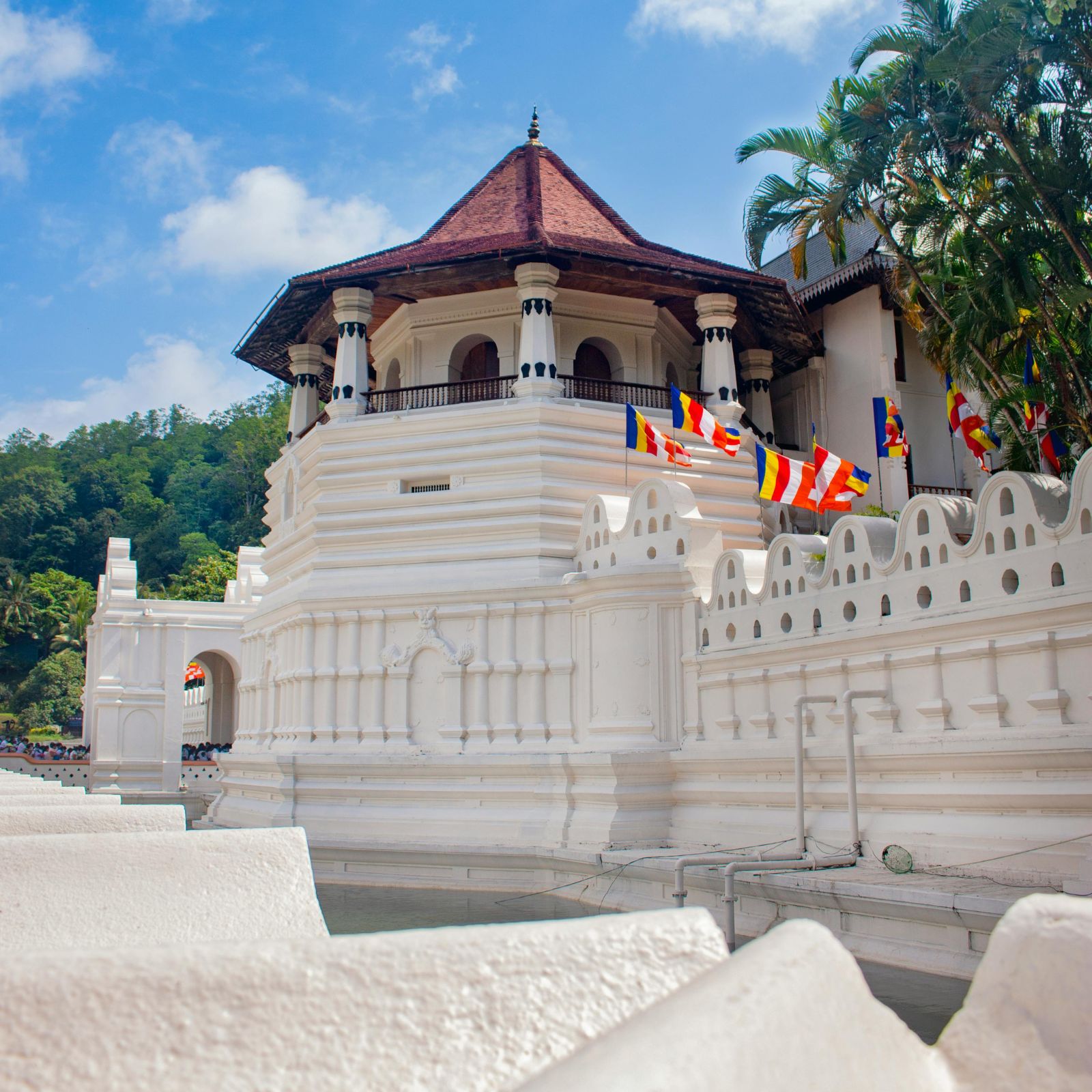
Cover shoulders and knees at temples, remove shoes and hats, and never pose with your back to a Buddha image. Buddha tattoos should be covered in public.
Wildlife, beaches and festivals
Three reasons people come back
Wildlife
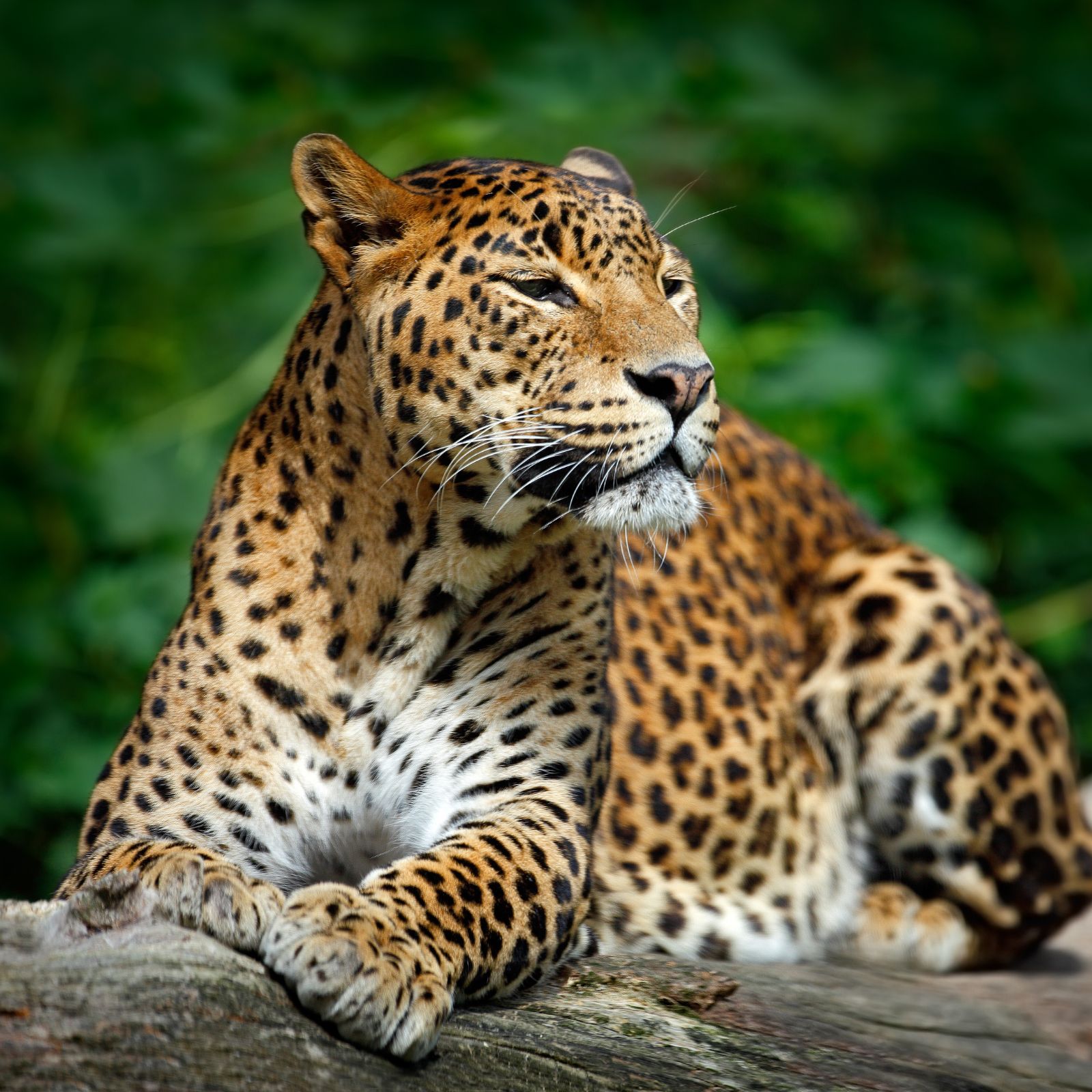
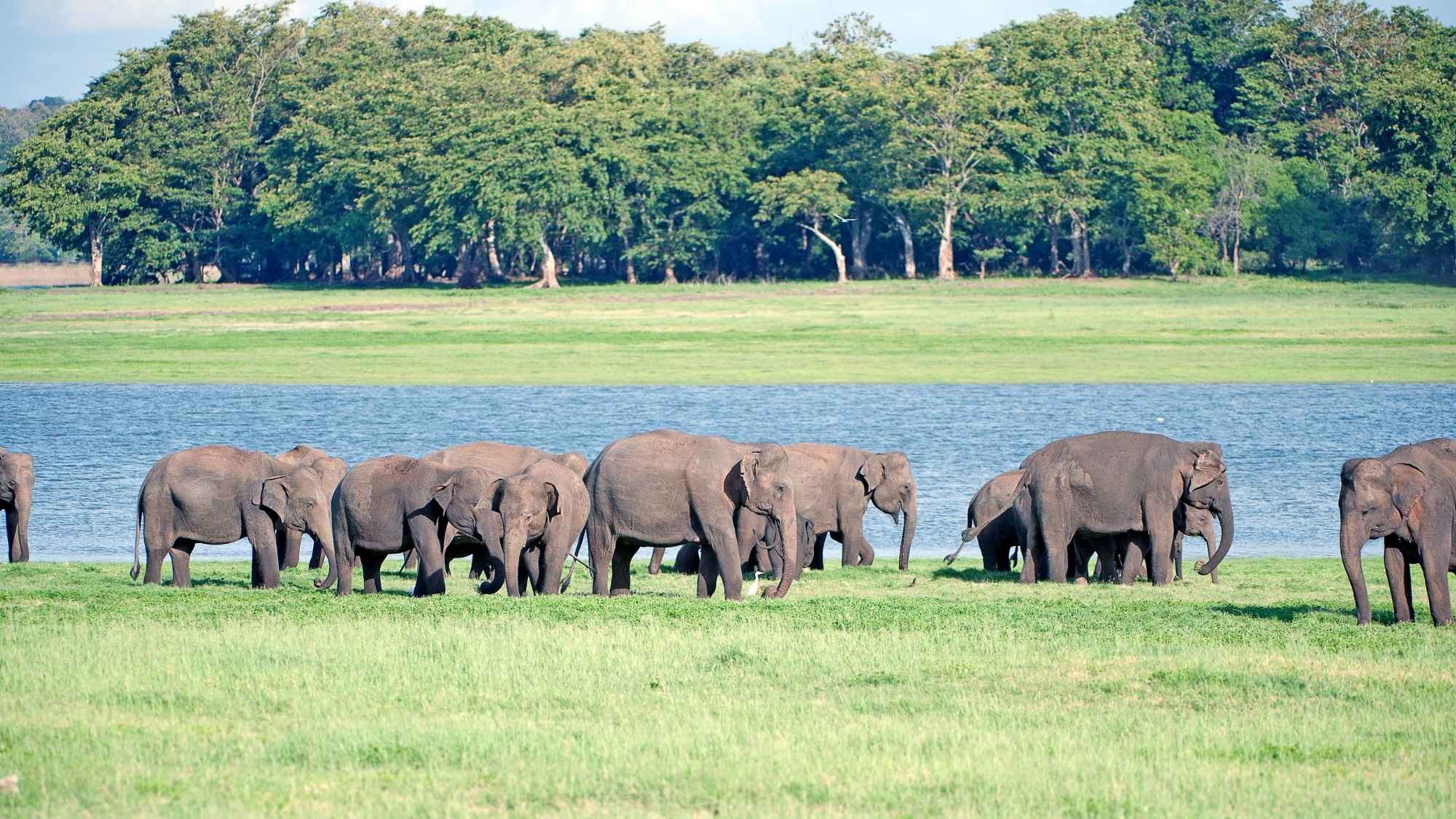
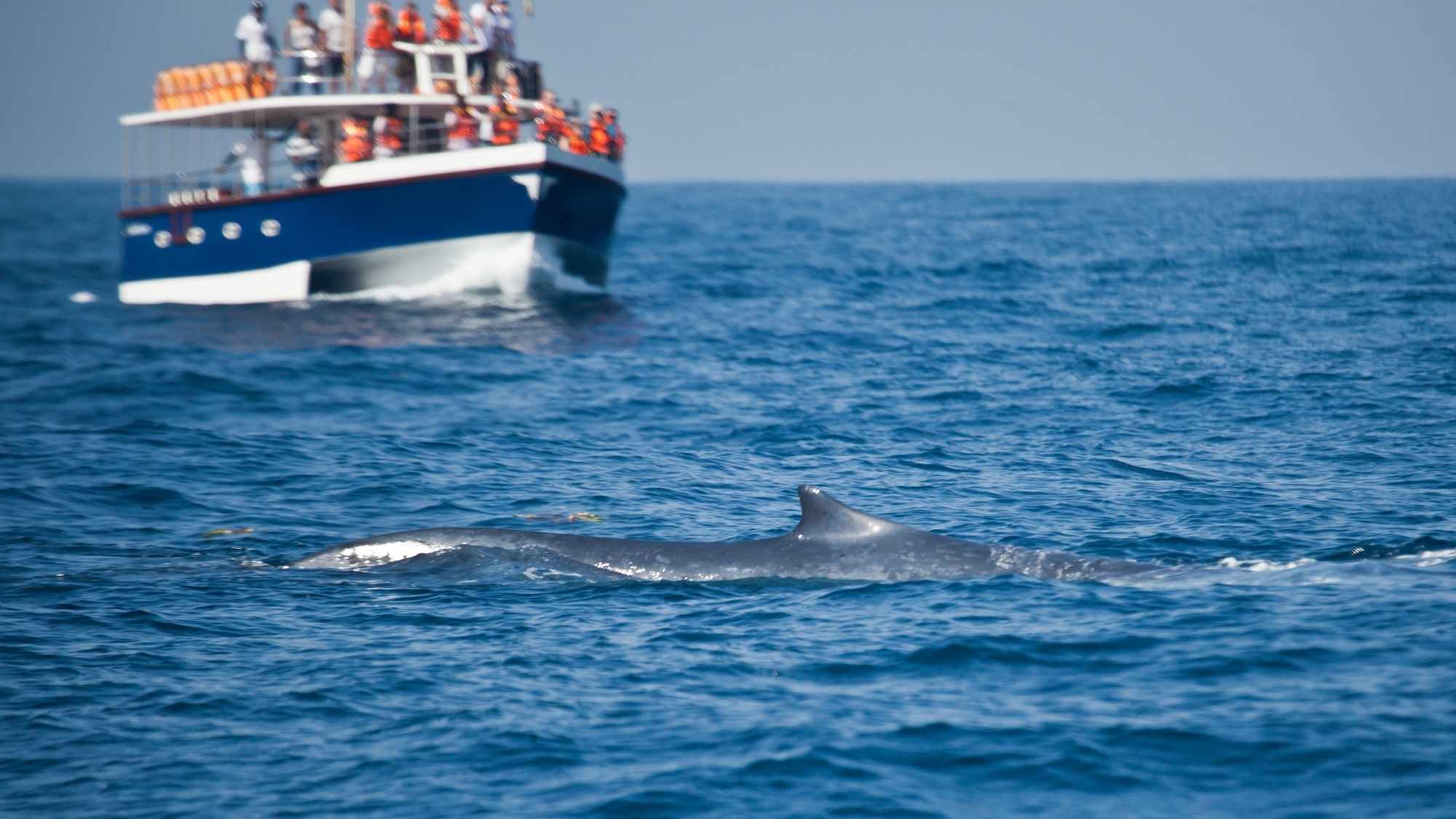
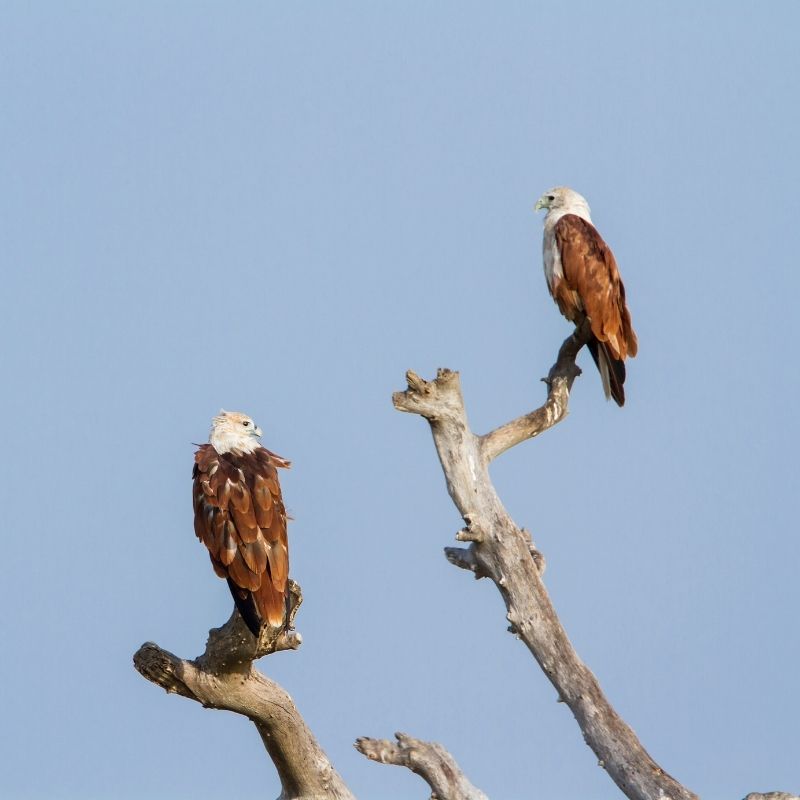
Twenty-six national parks holding leopard, sloth bear, Asian elephant, blue whale and 34 endemic bird species. Yala has the highest leopard density on earth; Minneriya hosts the largest annual elephant gathering.
Beaches
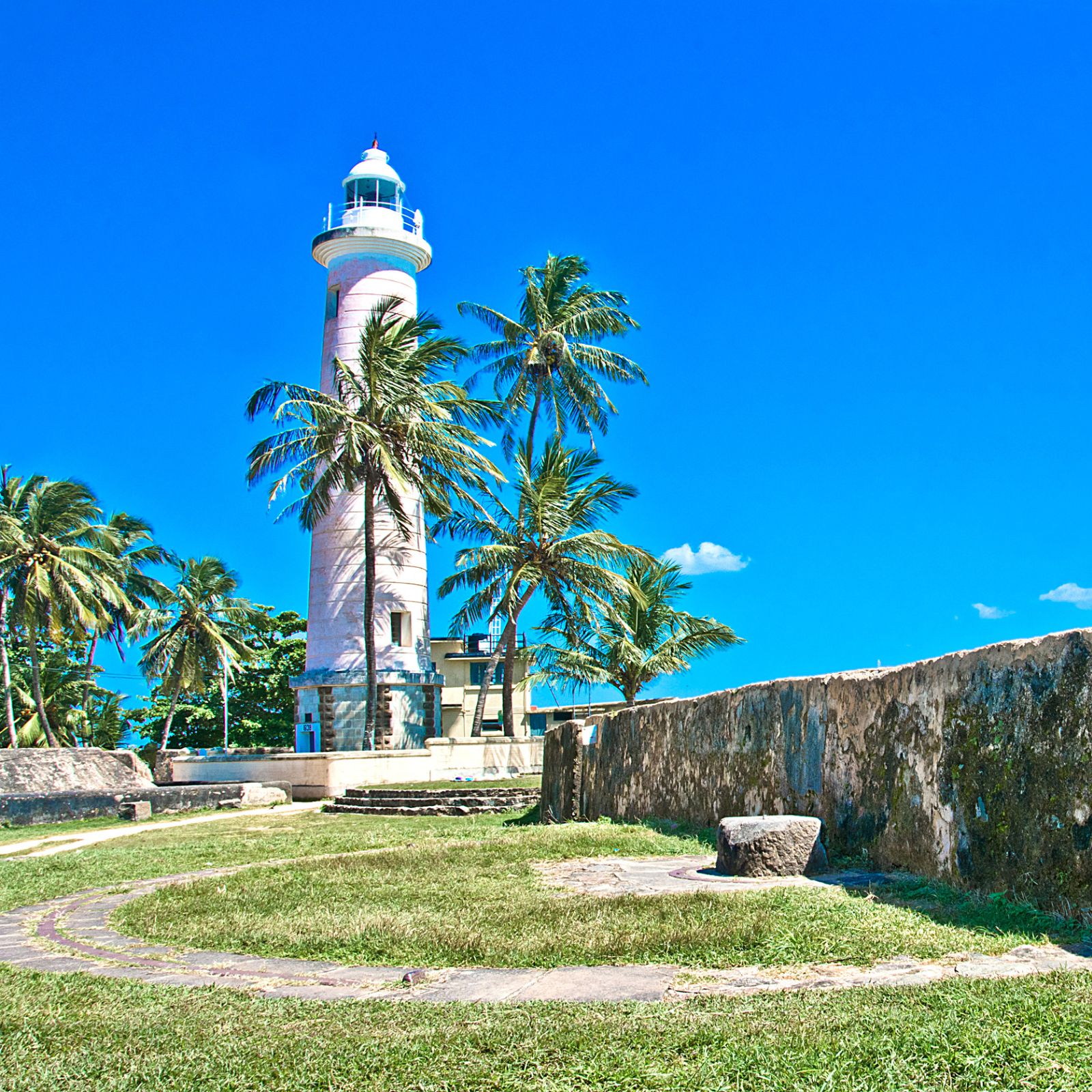
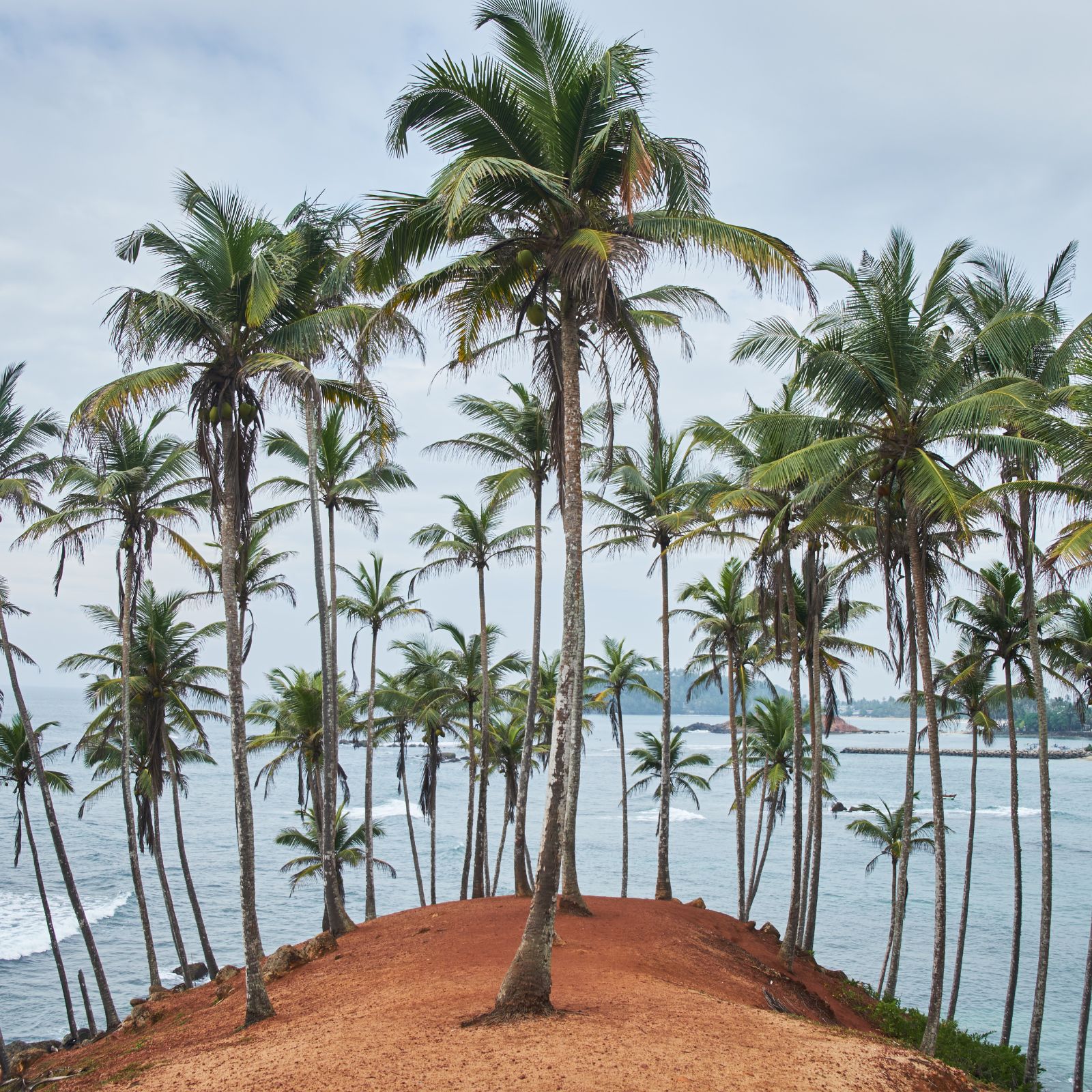
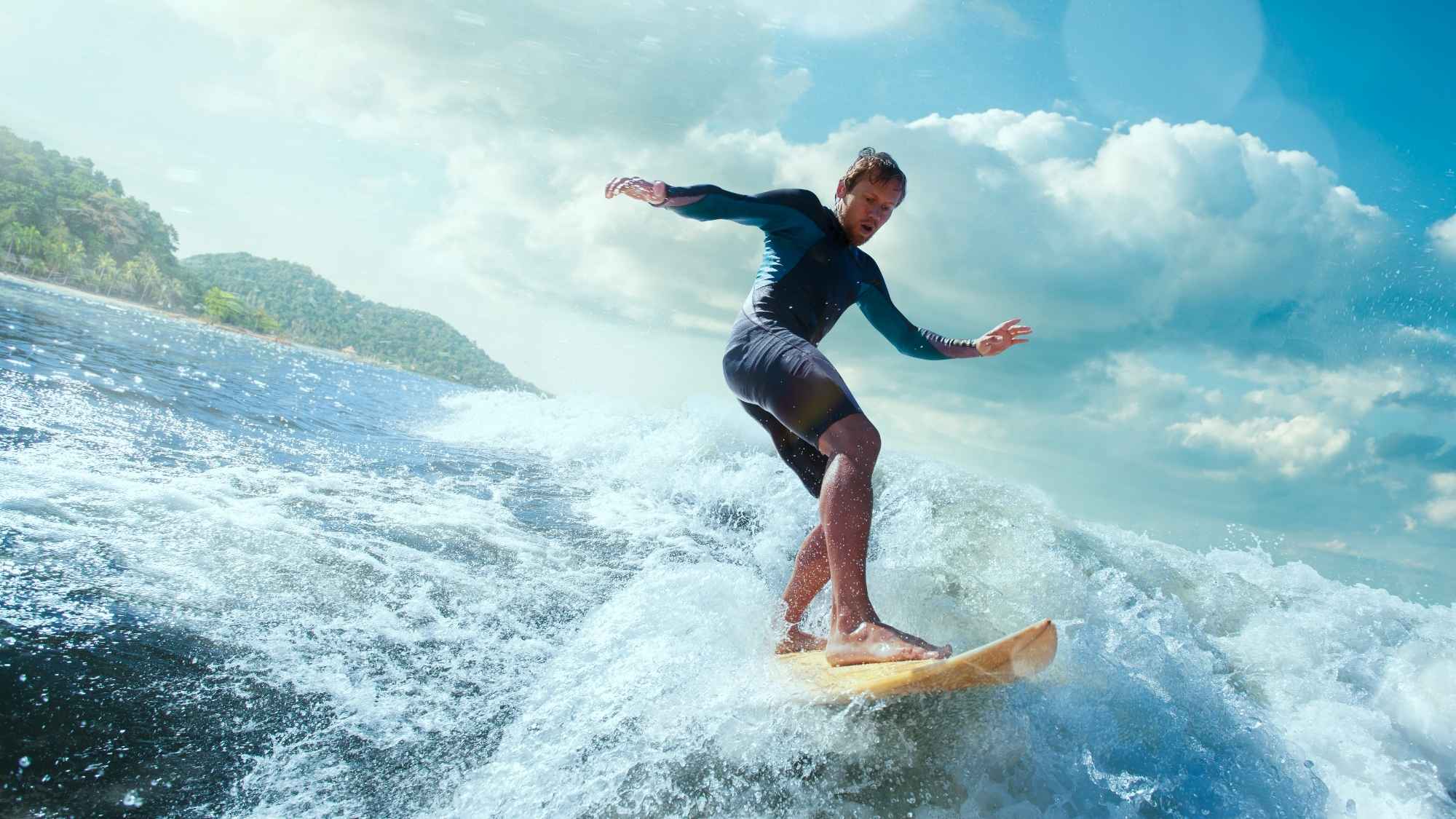
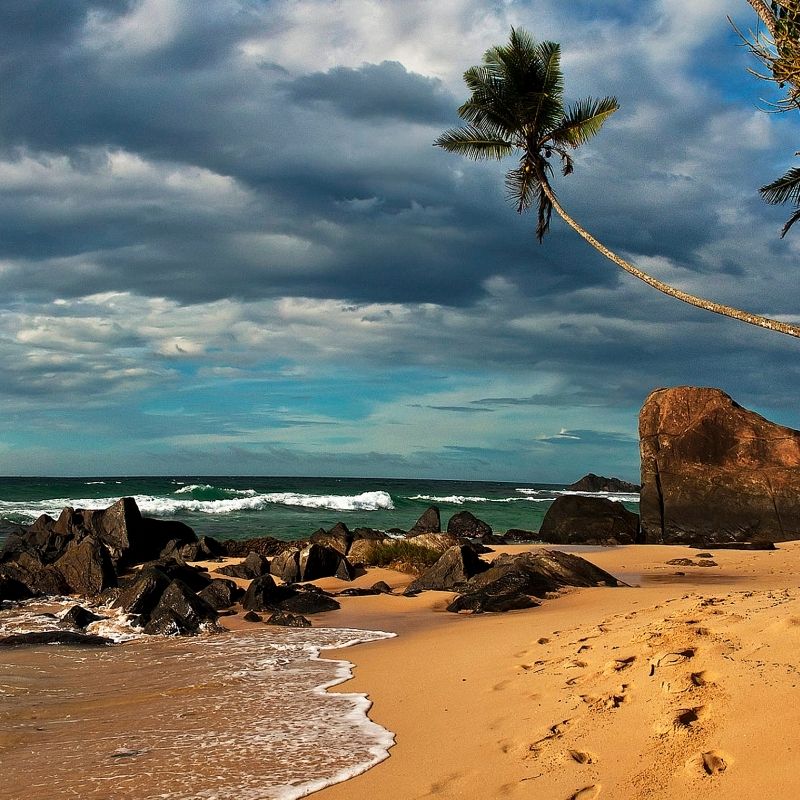
The south and west coasts run November to April; the east coast runs May to September. Surf breaks at Arugam Bay and Weligama, reef snorkelling at Pigeon Island, and empty sand almost everywhere outside the resort strips.
Start planning
Explore tours across the island
Now that you know the shape of the place, look at the routes — or tell us what caught your eye and we will build around it.
- Free itinerary design, no obligation
- Reply from a named consultant, not a bot
- 20% deposit, balance on arrival if you prefer
A real consultant replies within 12 hours, usually sooner. No deposit needed to get a full itinerary and quote.