Overview
Yala in one paragraph
Yala National Park covers just under 1,000 square kilometres of scrub, brackish lagoon and rock outcrop on the southeastern corner of the island. Block 1, the section open to most visitors, holds a leopard density unmatched anywhere, roughly one animal per square kilometre in the best areas. It is also busy: fifty jeeps at a sighting is not unusual in February. We book the first entry slot at 5:30am, use drivers who track rather than follow radio chatter, and will suggest Wilpattu or Kumana instead if you would rather trade odds for solitude.
Top attractions
What to see
- Yala Block 1, leopard territory
- Sithulpawwa rock temple inside the park
- Patanangala beach and the tsunami memorial
- Kumana bird sanctuary to the northeast
- Kataragama sacred city, 30 minutes away
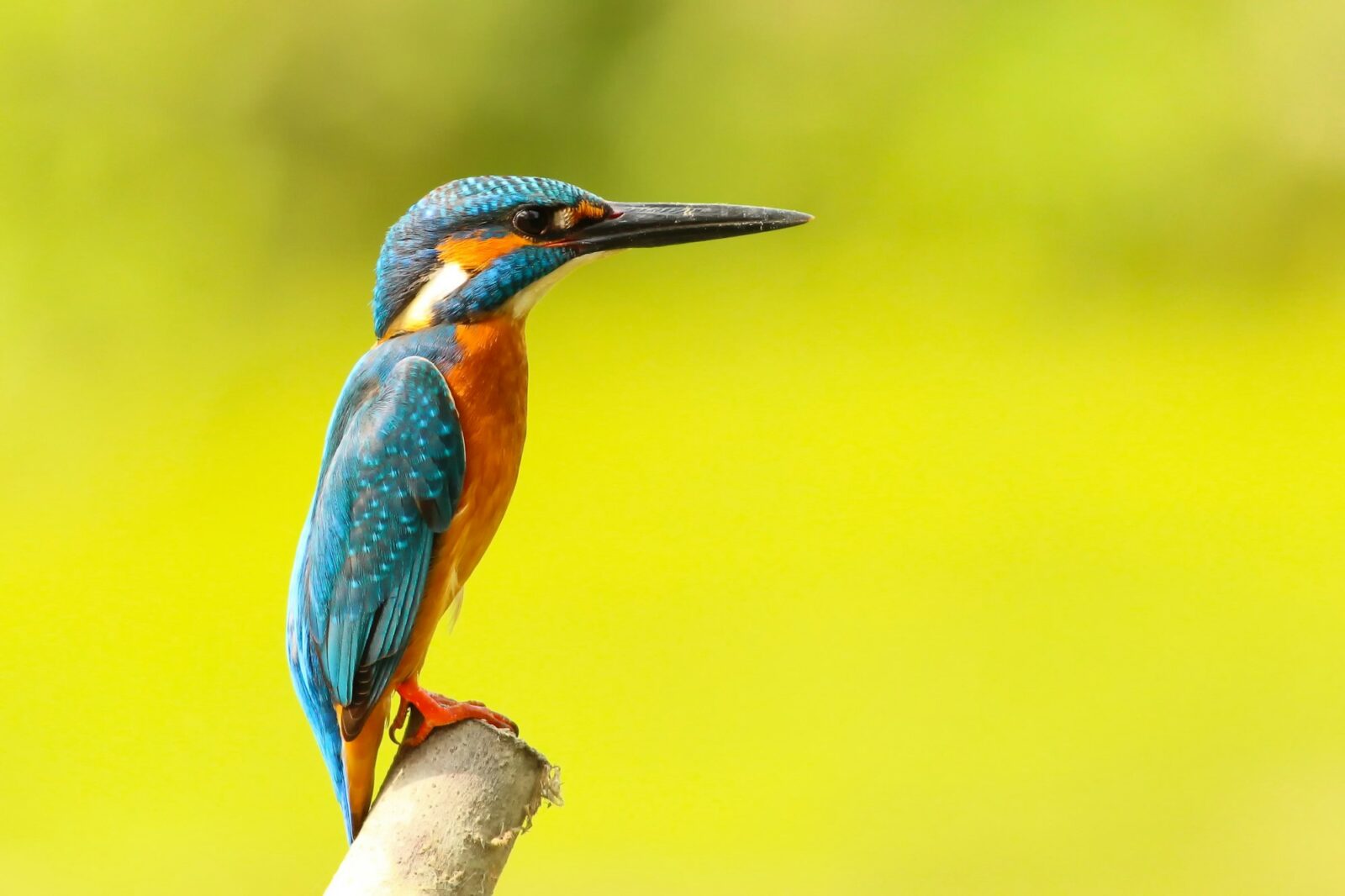
- Bundala National Park for flamingos
Things to do
How we would spend a day here
- Take the 5:30am park entry for the best light and least traffic
- Book a full-day safari with a packed bush breakfast
- Stay in a tented camp on the park boundary
- Visit Kataragama for the evening pooja
- Add Bundala for waders and painted storks
Best time to visit
February to July, when water levels drop and animals concentrate. The park usually closes for maintenance in September.
Nearby
- Tissamaharama, 30 minutes
- Kataragama, 30 minutes
- Mirissa, 2 hours 30
- Ella, 2 hours 30
Gallery
FAQ
Yala — your questions
Will we definitely see a leopard?
No park can promise that. Yala Block 1 gives roughly a 60 to 70% chance on a single morning drive and above 85% across a full day or two drives. Your driver tracking matters more than luck.
Half day or full day?
A full day costs more but doubles your chances and gets you through the middle hours when most jeeps have left. It includes breakfast and lunch in the park.
Is Yala too crowded?
In peak season Block 1 can be. Ask us about Block 5, Kumana or Wilpattu, fewer vehicles, lower leopard density, better atmosphere.